
Identifying a Cyst on the Foot and What to Do About It
OLYMPUS DIGITAL CAMERA
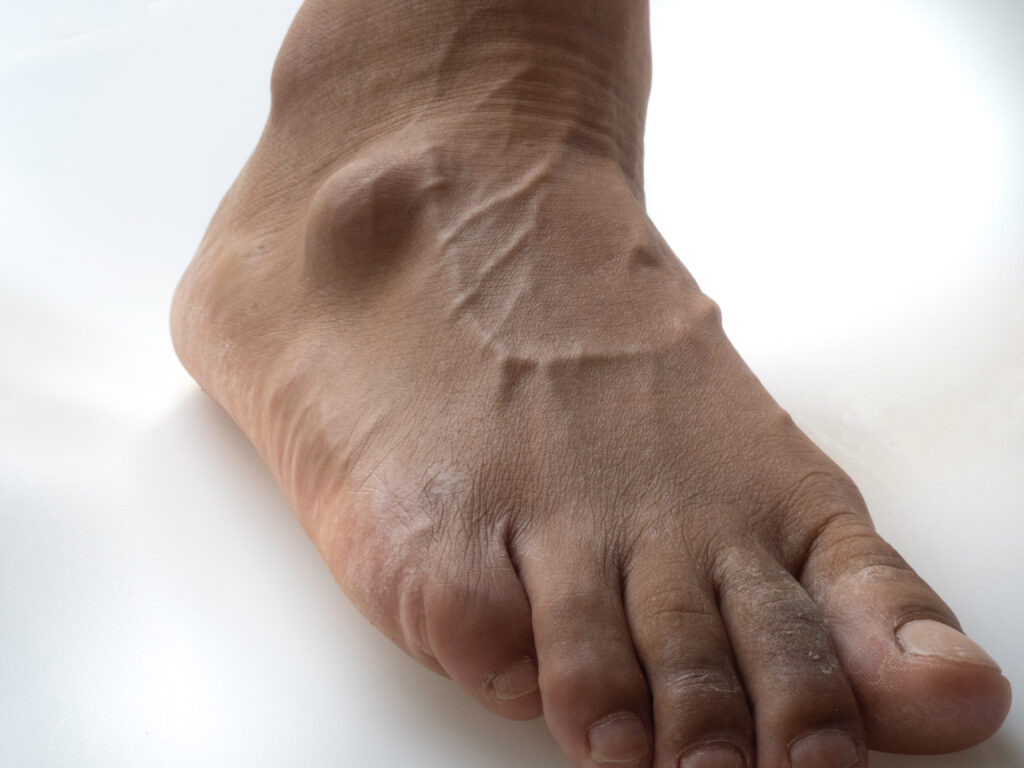
Cysts can appear almost anywhere on the body, including the feet. While many people worry that a lump might be something serious, most foot cysts are benign, painless, and removable. Knowing how to identify them, what causes them, and when to seek medical attention can make a big difference in how they’re managed.
Are Cysts on the Foot Dangerous?
In most cases, cysts on the foot are not dangerous. They are typically noncancerous sacs filled with fluid, tissue, or other material that develop under the skin. While they can look concerning, these cysts often pose no serious health risk. The main issue is usually discomfort, especially if the cyst presses on a nerve, joint, or tendon.
However, ignoring a cyst for too long can sometimes lead to complications. A cyst that becomes infected, grows rapidly, or interferes with walking may require prompt medical care. If you notice redness, warmth, or swelling that worsens, those could be signs of infection.
Common Causes of Foot Cysts
Cysts on the foot can form for several reasons, and understanding these can help prevent recurrence. One of the most common causes is repetitive trauma. Activities that put constant pressure on the foot, like running or wearing tight shoes, can irritate tissues and cause cysts to develop.
Joint and tendon irritation also play a role. When joints or tendons become inflamed, they may produce extra fluid that collects and forms a cyst. Additionally, small injuries or genetic predisposition can make someone more likely to develop cysts.
Certain foot conditions, such as arthritis, can also contribute to cyst formation. Over time, the wear and tear associated with arthritis can weaken tissues around the joints, creating space for fluid-filled sacs to appear.
Symptoms of Foot Cysts
A cyst on the foot often starts as a small bump under the skin. It might feel soft and squishy or firm and rubbery, depending on the type. In many cases, cysts are painless, especially at first.
However, as the cyst grows, it can start pressing on nearby structures. This pressure may lead to discomfort, pain when walking, or limited movement in the affected area. The skin over the cyst may appear slightly raised or stretched, and sometimes it becomes tender to the touch.
If a cyst bursts or leaks fluid, you may notice temporary relief followed by irritation or recurrence. Persistent swelling, pain, or changes in color are signs that you should have the cyst evaluated.
Three Types of Cysts That Grow on the Foot
While cysts may look similar, not all are the same. Understanding the three main types of cysts that commonly appear on the foot can help with proper identification and treatment.
1. Ganglion Cyst
A ganglion cyst is one of the most frequent types found on the foot and ankle. It forms near joints or tendons and is filled with a jelly-like fluid. These cysts often appear on the top of the foot or near the ankle, although they can occur elsewhere.
Ganglion cysts can change in size, sometimes shrinking or disappearing on their own. They may cause pain if they press against a nerve or joint, especially when wearing tight shoes or walking for long periods.
2. Synovial Cyst
A synovial cyst develops when the lining of a joint or tendon sheath bulges out, forming a fluid-filled sac. These cysts are often linked to joint conditions like osteoarthritis.
They typically occur in areas exposed to frequent movement or stress. Synovial cysts can be tender, and in some cases, they restrict joint mobility. Treatment may involve rest, draining the fluid, or addressing any underlying joint inflammation.
3. Mucoid Cyst
Mucoid cysts usually form near the toes, often around the nail joint. They contain a thick, clear fluid and are associated with wear and tear in the smaller joints of the foot.
These cysts can be unsightly and occasionally painful, especially if they press against nearby structures. In some cases, the cyst may rupture and leak fluid, but it often returns if the underlying cause isn’t treated.
When Do Cysts Need to Be Evaluated by a Professional?
Not all cysts require medical treatment, but there are times when professional evaluation is needed. If a cyst is growing quickly, causing significant pain, or affecting your ability to walk, it’s best to consult a healthcare provider.
A podiatrist or orthopedic specialist can examine the lump and determine whether it’s truly a cyst or another type of growth. Diagnostic imaging, such as ultrasound or MRI, may be used to confirm the diagnosis.
If the cyst becomes red, warm, or starts draining pus, seek medical attention immediately. These symptoms may signal an infection that requires antibiotics or minor surgical intervention.
Can You Treat a Cyst at Home?
Mild cysts can sometimes be managed at home. Applying warm compresses for 10 to 15 minutes several times a day may help increase circulation and promote natural drainage. Resting the foot and avoiding tight shoes can also reduce irritation.
However, it’s important never to try to pop or puncture a cyst yourself. Doing so can cause infection or lead to further complications. Over-the-counter pain relievers may help with discomfort, but persistent cysts typically require professional care.
If a cyst does not shrink or continues to cause pain after a few weeks of self-care, it’s time to schedule an appointment with your podiatrist.
What to Do if a Lump on the Foot Causes Pain
Painful cysts on the foot can make daily activities difficult. If you notice pain when walking or standing, start by reducing pressure on the area. Wearing cushioned shoes or padding the cyst can prevent rubbing and irritation.
Remember, not all lumps on the foot are cysts. Some may be bone spurs, lipomas, or other growths that require different treatments. For accurate diagnosis, contact your podiatrist for an evaluation and treatment.
Advanced Treatment for Managing Painful Cysts
If pain continues, your podiatrist may recommend draining the cyst or injecting it with corticosteroids to reduce inflammation. In some cases, surgical removal might be necessary, especially if the cyst keeps returning or interferes with mobility.
Learn More About Common Foot Conditions We Treat
At Red Mountain Footcare, our team takes a personalized approach to patient care. We offer a range of specialized treatments for different foot conditions. Many conditions can be diagnosed and treated in our Mesa office during just one visit. See our comprehensive list of conditions we treat and contact us at 480-219-4100 to book an appointment.